About Nikolai Waltham

A life built on curiosity.

I have spent most of my life building companies, repairing things, crossing oceans and finding the small idea that can set something larger in motion.

Read the stories ↓
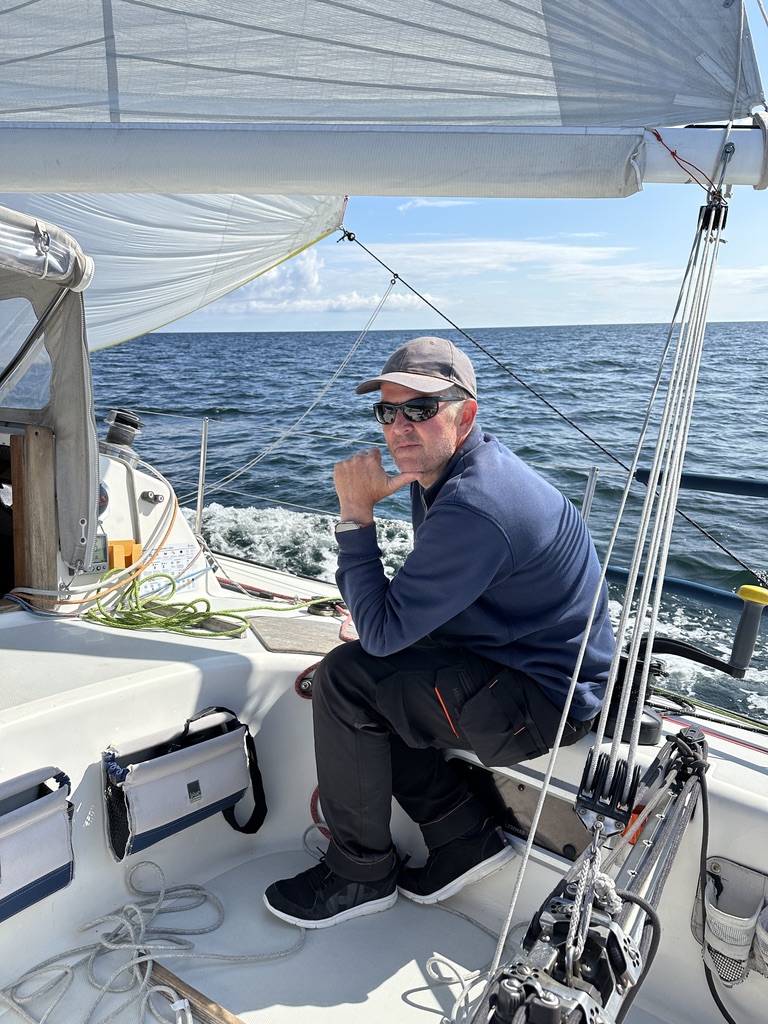
Nikolai Waltham aboard a sailing boat

The common thread

I have never been driven by an industry. I have been driven by problems that were interesting to solve.

From the outside, my working life may look like many different tracks: bicycle mechanics, craftsmanship, shops, sensors, boats, opinion polling, property and AI. To me, it has always been the same work.

See how something works. Find what is unnecessarily difficult. Use the tools available. Bring people with you. Then build a solution capable of creating more than the original effort.

“Curious enough to ask: what if? Practical enough to make it work.”

Selected stories

From the hands to the mind — without ever losing respect for practical work.

From age 16

The bicycle mechanic and the first small ventures

My first regular job was in a bicycle shop, assembling and repairing bicycles. Alongside it, I took the work that was available: painting, plastering, sanding floors and renovation.

With Reklamevask, a friend and I borrowed a van and a pressure washer. We sold clean façades to shops and cafés based on a simple thought: if it looks dirty outside, customers may assume it is dirty inside as well.

The lesson: you do not need much to begin. You need to see an opportunity and act on it.
The 1990s

Skis, bicycles and a shop built on enthusiasm

Ski- og Sykkelstasjonen in Majorstuen began because my friends and I wanted to play with the best equipment. We had almost no capital, but persuaded a supplier to fill the premises with Trek bicycles on consignment.

Later, we persuaded a ski factory to produce our own wide, soft telemark skis. Once the shop worked and repetition replaced curiosity, I handed it on and found the next challenge.

The lesson: I especially love the journey from nothing to something that works.
The next idea

SmartSense: an East German sensor meets a Norwegian problem

I happened to meet engineers from the former East Germany who had developed a sensor for welding fumes. At the same time, Norwegian restaurants were facing new requirements for tobacco smoke.

We developed the sensor into an electronic nose that could activate a filter when smoke levels rose. SmartSense sold the first units to restaurants in Oslo. I did not invent the sensor — I saw the application.

The lesson: the best ideas often appear when two worlds that do not normally meet are connected.
1998–

Old boats, a toolbox and a long way home

For my 30th birthday, I bought a 40-year-old sailing boat unseen in Malta, prepared it and sailed it home via the Azores to Oslo. Later I bought a confiscated, almost stripped boat wreck in the Azores.

Using parts from hardware shops and whatever I could find, I made it seaworthy enough for the journey through the English Channel and the North Sea. The seemingly impossible often gives me more calm than routine does.

The lesson: if you can understand the system and accept the risk, the impossible often becomes a series of practical problems.
From 2000

InFact: the robots were meant to work while life continued

InFact began with a dream of travelling and sailing while still running a business from an internet café. The solution was automated telephony capable of conducting interviews and collecting knowledge at scale.

The system grew to hundreds of simultaneous automated calls. Polls became news, news created visibility, visibility brought customers and customers created new polls. It was not only a product. It was a self-reinforcing wheel.

The lesson: build systems that continue creating value after the initial work is done.
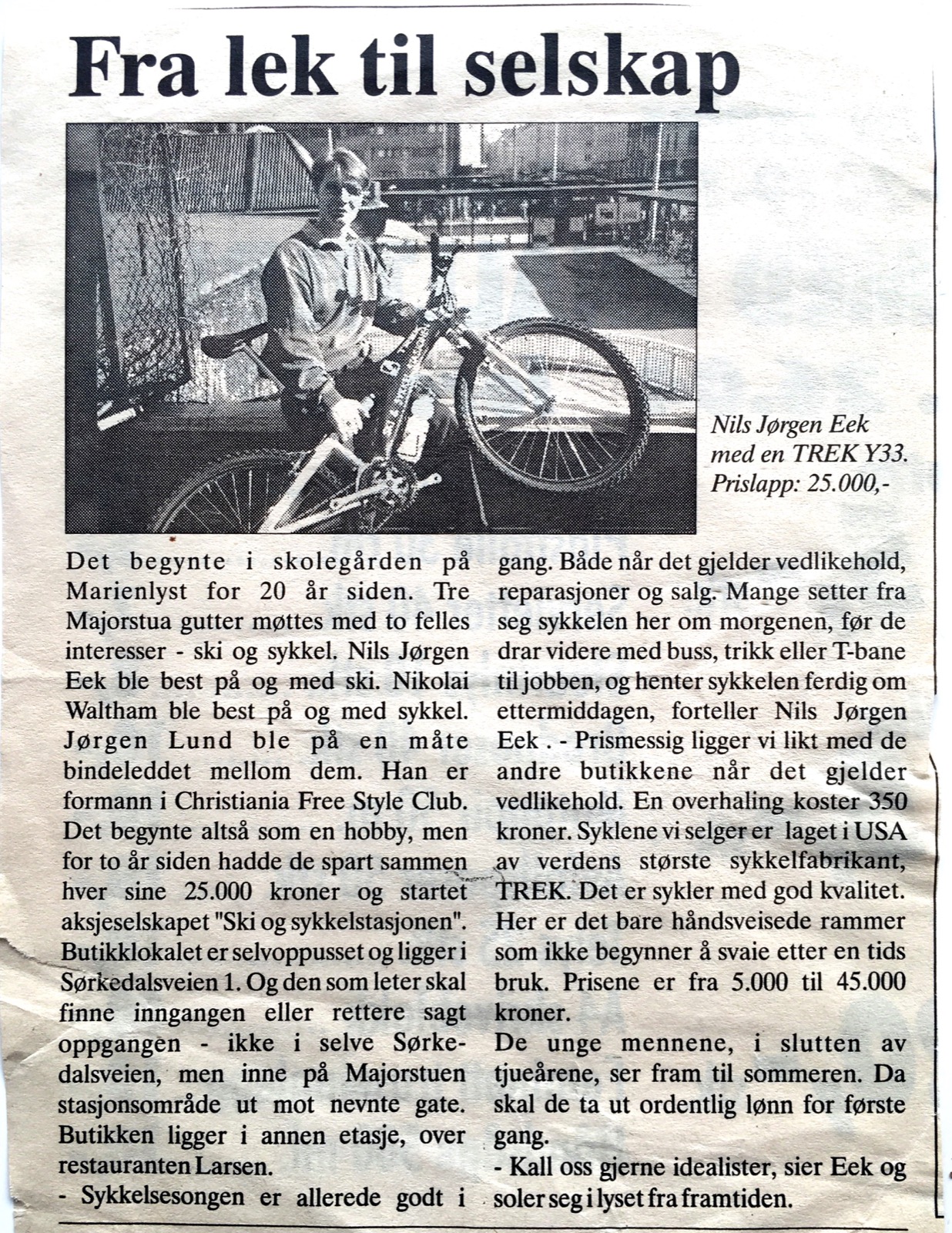
Newspaper clipping about Ski- og Sykkelstasjonen in Majorstuen

From the archive

“From play to company”

An old newspaper clipping from Ski- og Sykkelstasjonen. The headline is more accurate than we realised at the time: the business began as play, became a real company and gave us experience, equipment and stories to carry forward.

Newspaper clipping from Oslo, the 1990s.

InFact in the media

When polls became front pages.

A poll was not merely data. It could become the beginning of a public conversation — and of the next assignment.

InFact built a system in which automated telephone interviews could quickly become documented knowledge. When the subject mattered and the question was precise, the result could travel from automated calls to journalism and national visibility.

It was the communication wheel in practice: polls became news, news created attention, attention brought customers and customers created new polls.

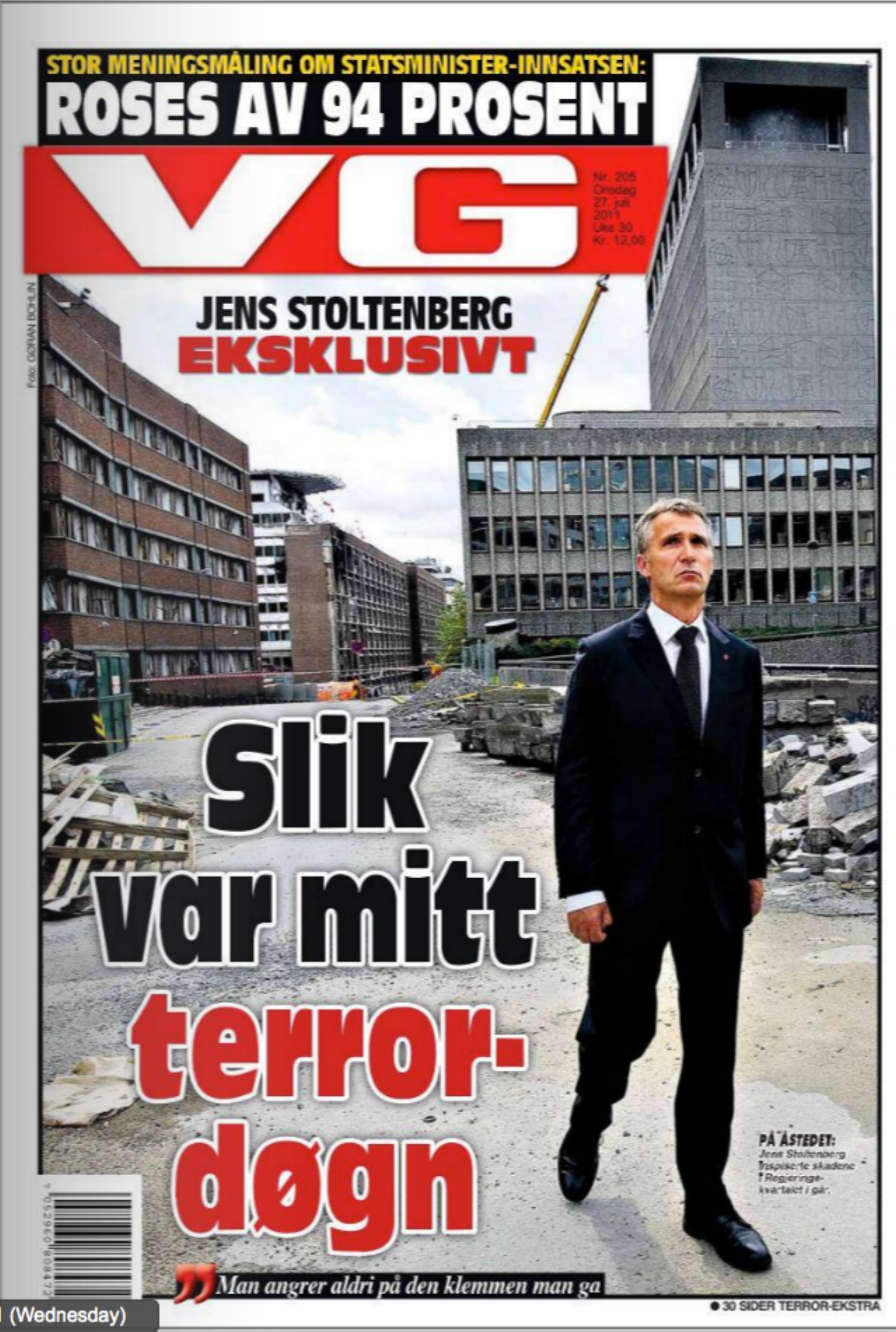
VG front page about a poll on the response following the terror attack
VG · 27 July 2011Terror response
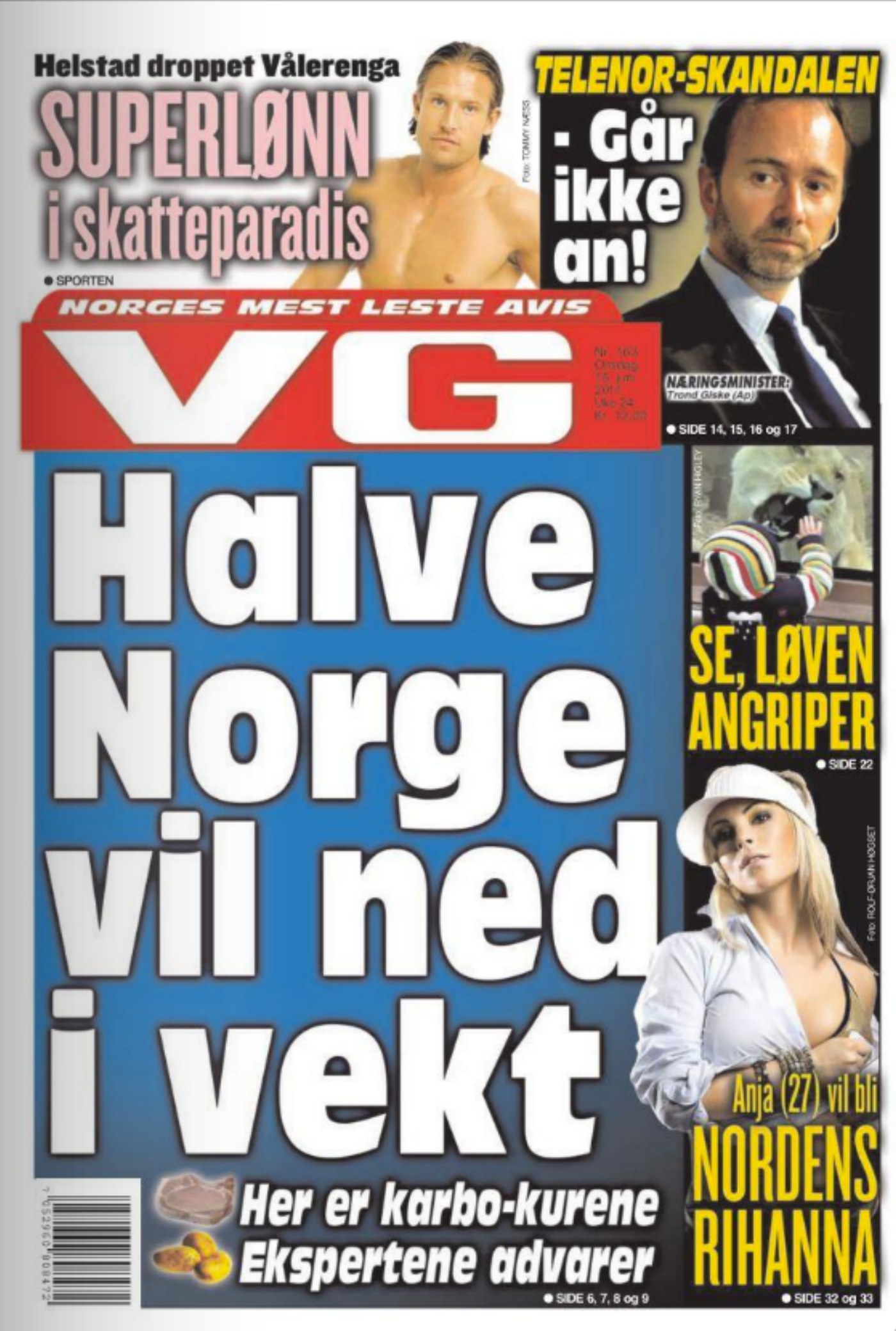
VG front page about Norwegians wanting to lose weight
VG · 15 June 2011Public health
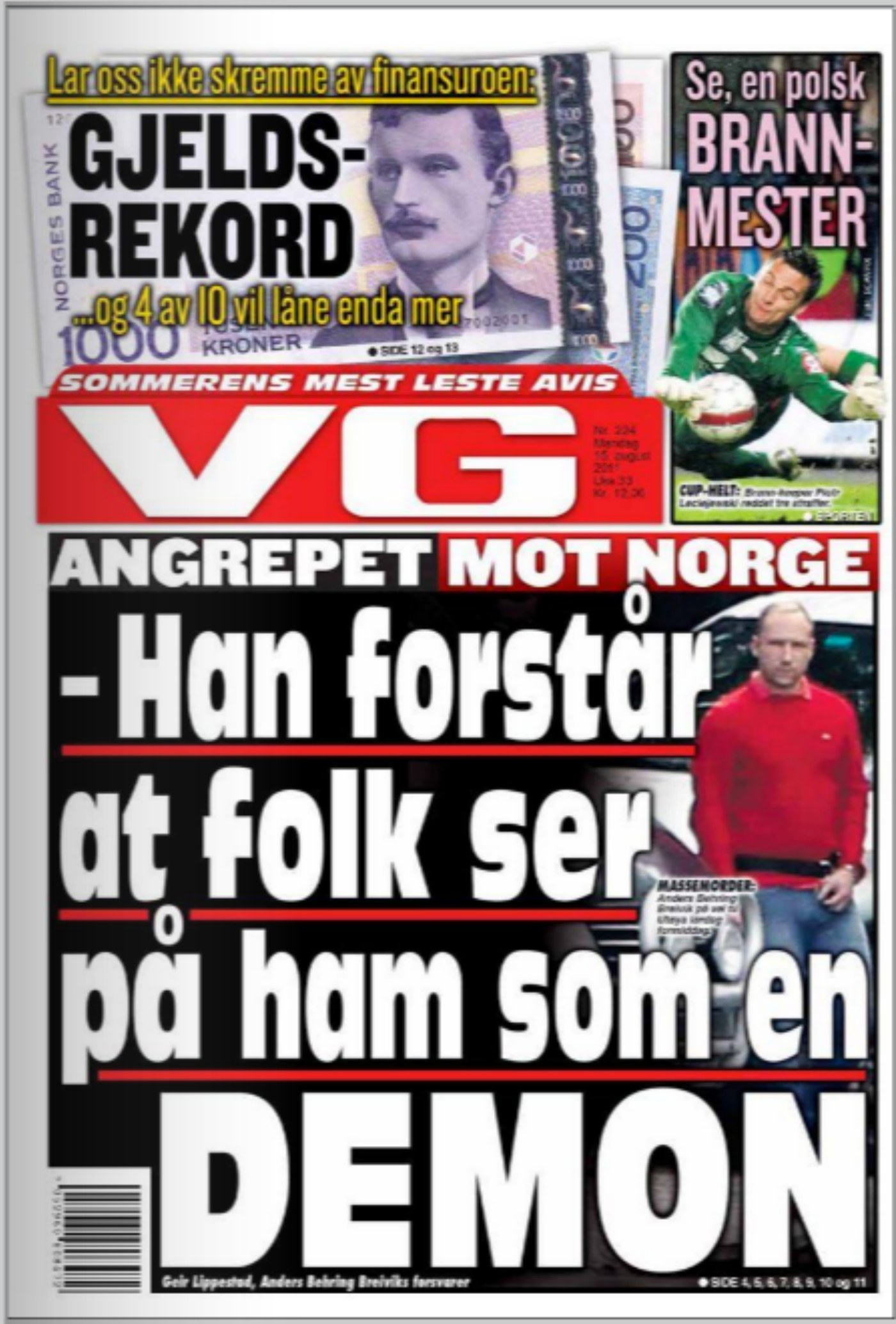
VG front page about record debt and personal finances
VG · 15 August 2011Debt and personal finance
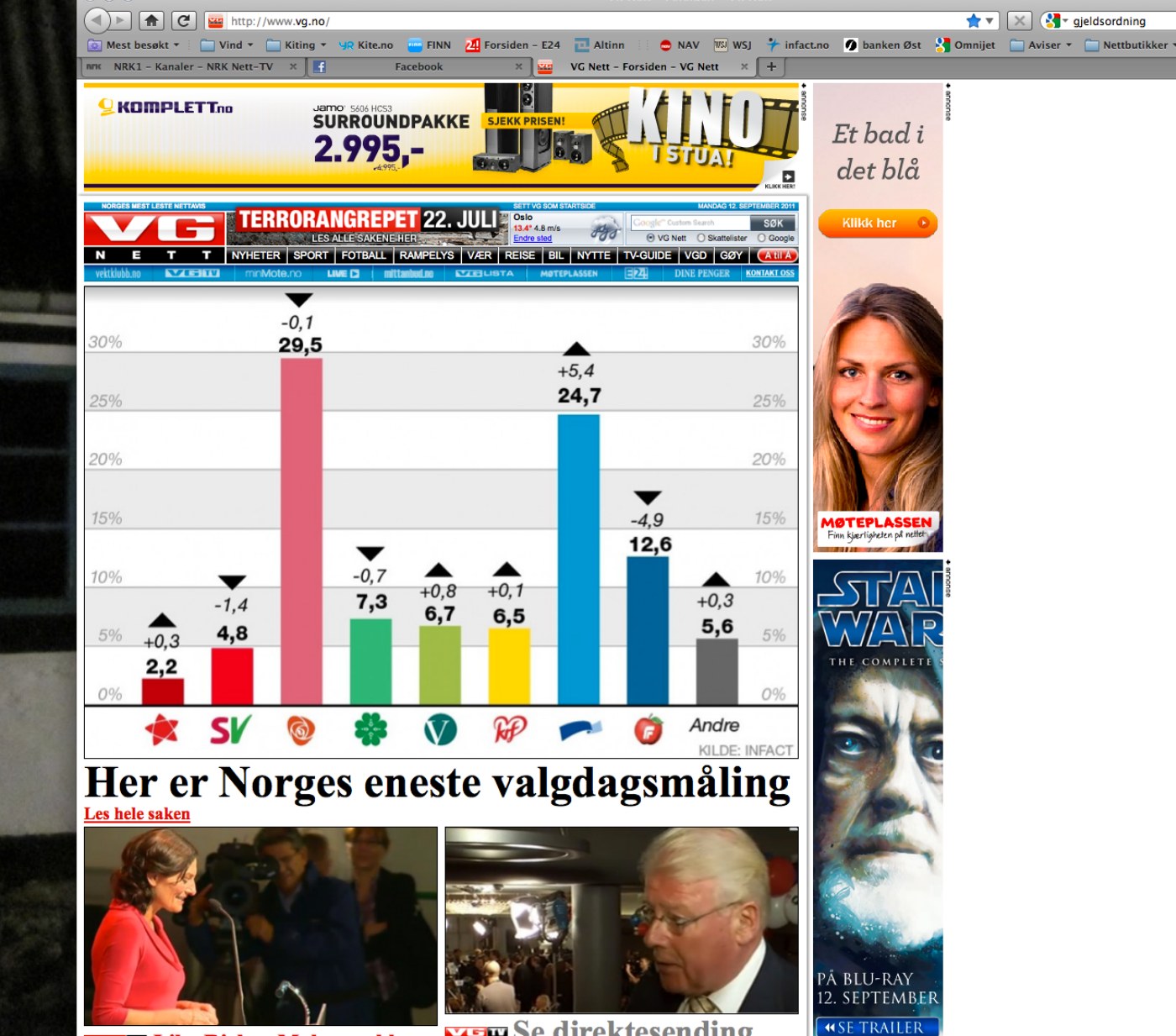
VG Nett election-day poll citing InFact as the source
VG Nett · 12 September 2011Election-day polling
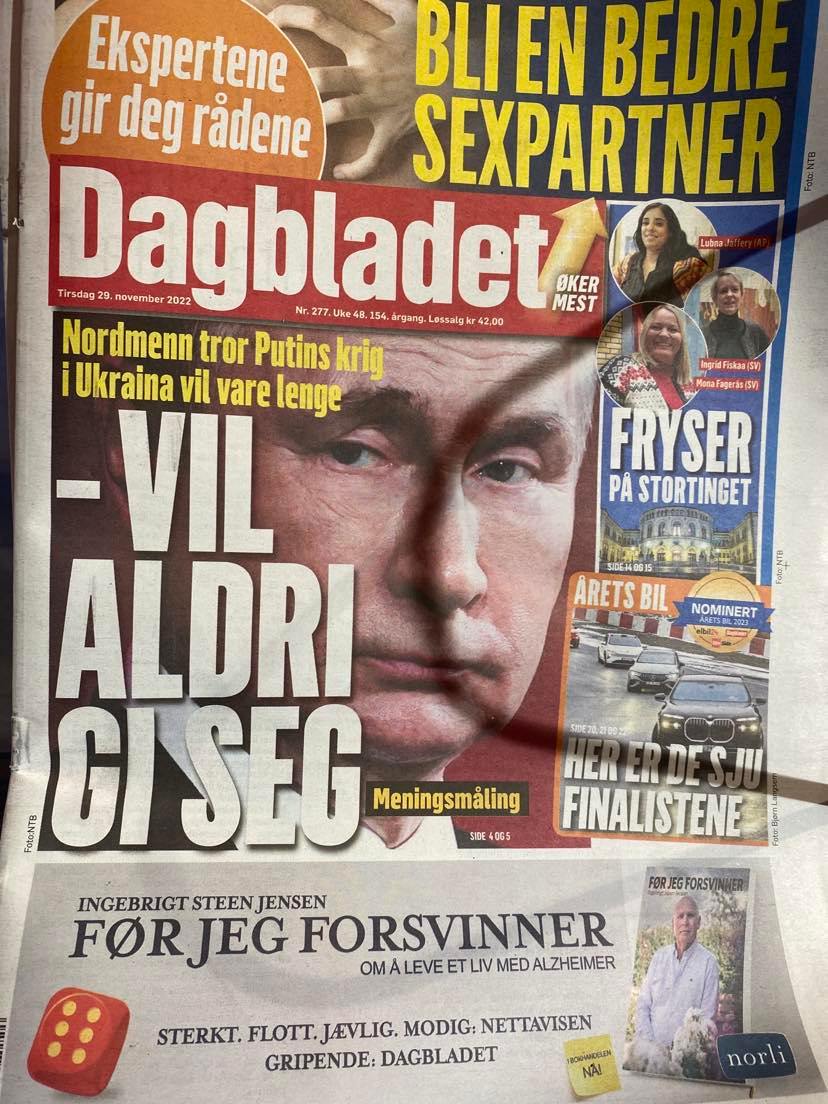
Dagbladet front page about Norwegians' view of the war in Ukraine
Dagbladet · 29 November 2022The war in Ukraine

Selected front pages from InFact's own archive, shown as historical documentation of the polls' editorial reach.

What the sea has taught me

Become the operator.
Not the driver.

A well-trimmed boat can sail for days with small corrections. The same principle works in business.

On long passages, you invest time in balancing sails, course and wind vane. Once the system is properly set, the boat almost sails itself. The captain observes, evaluates and intervenes when conditions change.

That is how I think about automation and AI. The goal is not to remove the human. It is to move human attention from repetition to judgment.

“When the wind changes, you do not get offended. You adjust your course.”

Principles I live by

Not a definitive answer. Just ideas that have proved useful.

01 · Momentum

Begin before everything is perfect.

Movement creates information. Without the first action, there can be no next one.

02 · Leverage

Small adjustments can create great movements.

Find the small lever that changes more than its own size.

03 · Spikersuppe

Create something from almost nothing.

An idea, enthusiasm and borrowed resources can be enough to bring others into the building process.

04 · Systemet

Build something that keeps working.

The best solution does not only solve today’s task. It makes the next one easier.

05 · Resilience

Understand your worst realistic outcome.

When you can live with it, fear loses much of its power and you can act more clearly.

06 · Tid

Protect the only resource you will never get more of.

Technology and business are valuable only when they create room for what matters.

The greatest success may not be building the biggest company. It may be building a life you would not trade away.

In 2005, a kitesurfing accident on the ice ended with an air ambulance, a coma and a long period of recovery. When I woke in hospital, I thought that if life ended there, it had at least been rich in stories.

It changed how I see time and risk. I do not try to avoid every problem. I try to build a life resilient enough for curiosity to win over fear.

Today I measure a project not only by what it can earn, but by how many future emails, meetings and obligations it creates. Time with family, friends, the sea, new ideas and the continuing freedom to play is not the reward after work. It is the point of it.

Experience meets AI

AI is the autopilot.
The human is the captain.

I am not the most skilled technician in the room, and I do not need to be. My strength is seeing which problem the technology should actually solve — and what must change around it for the solution to create real value.

Four decades of companies, practical work, sales, conflicts, investors, property and ocean sailing provide a broad base of experience. AI can amplify it. It cannot replace it.

See how I work →